

CEREC Restorations
Advanced computer-aided ceramic dentistry that can restore damaged, weakened, or heavily filled teeth in a single visit, with no messy impressions, no temporary crown, and no second appointment for fitting.
Strong, Beautiful Ceramic Teeth Without the Traditional Waiting Time
CEREC stands for Chairside Economical Restoration of Esthetic Ceramics. It is an advanced restorative system that uses digital scanning, computer-aided design, and in-practice ceramic milling to create custom dental restorations while you are still at the clinic.
Instead of requiring multiple visits, uncomfortable impressions, and a temporary crown while a laboratory makes the final restoration, CEREC allows many crowns, inlays, onlays, and veneers to be designed, created, and placed in a single appointment.
For patients, this means fewer injections, fewer interruptions to work and family life, and less time spent protecting a temporary restoration. For the tooth, it means a highly accurate ceramic restoration bonded into place soon after the tooth is prepared, helping preserve strength, seal the tooth properly, and restore confident function faster.
At Doan Dental Care, CEREC is not treated as a shortcut. It is part of a broader restorative philosophy: preserve as much healthy tooth structure as possible, use high-quality ceramic materials, design the bite carefully, and create a result that looks natural in your smile.
Why Patients Choose CEREC
CEREC is ideal when a tooth needs more strength and protection than a filling can provide, but the patient wants a streamlined, comfortable and precise restorative process.
- Restorations can often be completed in one visit
- No conventional putty impressions are required
- No temporary crown for many suitable cases
- High-strength ceramic is colour-matched to your smile
- Digital design supports accurate fit and bite control
- Bonded ceramic can strengthen and protect damaged teeth
Custom Ceramic Solutions for Damaged or Weakened Teeth
CEREC can be used for a range of restorations depending on the condition of the tooth, the amount of remaining tooth structure, the bite, and the aesthetic goals of treatment.
CEREC Crowns
A crown covers and protects a tooth that has been weakened by a large filling, crack, fracture, root canal treatment, or advanced wear. With CEREC, the crown can often be scanned, designed, milled and bonded in the same appointment.
Ceramic Inlays
Inlays repair damage within the biting surface of a back tooth. They are often recommended when the area is too large for a standard filling but the tooth does not require a full crown.
Ceramic Onlays
Onlays protect one or more cusps of a tooth while conserving more natural tooth structure than a full crown. They can be a strong, conservative choice for cracked or heavily restored back teeth.
Porcelain Veneers
For selected cosmetic cases, CEREC can create ceramic veneers that improve the shape, shade, and symmetry of visible teeth while maintaining a natural-looking finish.
Replacement Fillings
Large, failing, or cracked fillings can leave a tooth vulnerable. In suitable situations, replacing them with bonded ceramic can improve strength, contour, and long-term protection.
Root Canal Protection
Many root canal treated teeth benefit from a crown or onlay because they can become brittle. CEREC can restore strength and protect the tooth from splitting under everyday biting forces.
The CEREC Workflow: Scan, Design, Mill, Bond
The process is simple but powerful. First, the damaged tooth is prepared by removing decay, old filling material, or weak tooth structure. Instead of taking a traditional impression, a digital scan captures the prepared tooth and surrounding bite in three dimensions.
Using computer-aided design software, the restoration is planned to fit the tooth, contact the neighbouring teeth properly, and meet the opposing teeth comfortably. Once the design is complete, the restoration is milled from a solid ceramic block chosen to match your tooth colour.
The restoration is then refined, checked, adjusted, polished, and bonded to the tooth. The result is a tooth-coloured ceramic restoration that is designed for strength, function, and aesthetics without the delay of sending impressions to an external dental laboratory.
What Happens at the Appointment
- Assessment of the tooth, bite and restoration options
- Preparation of damaged or weakened tooth structure
- Comfortable digital 3D scan instead of putty impressions
- Computer-guided design of the crown, inlay or onlay
- In-practice ceramic milling and finishing
- Final fit check, polishing and adhesive bonding
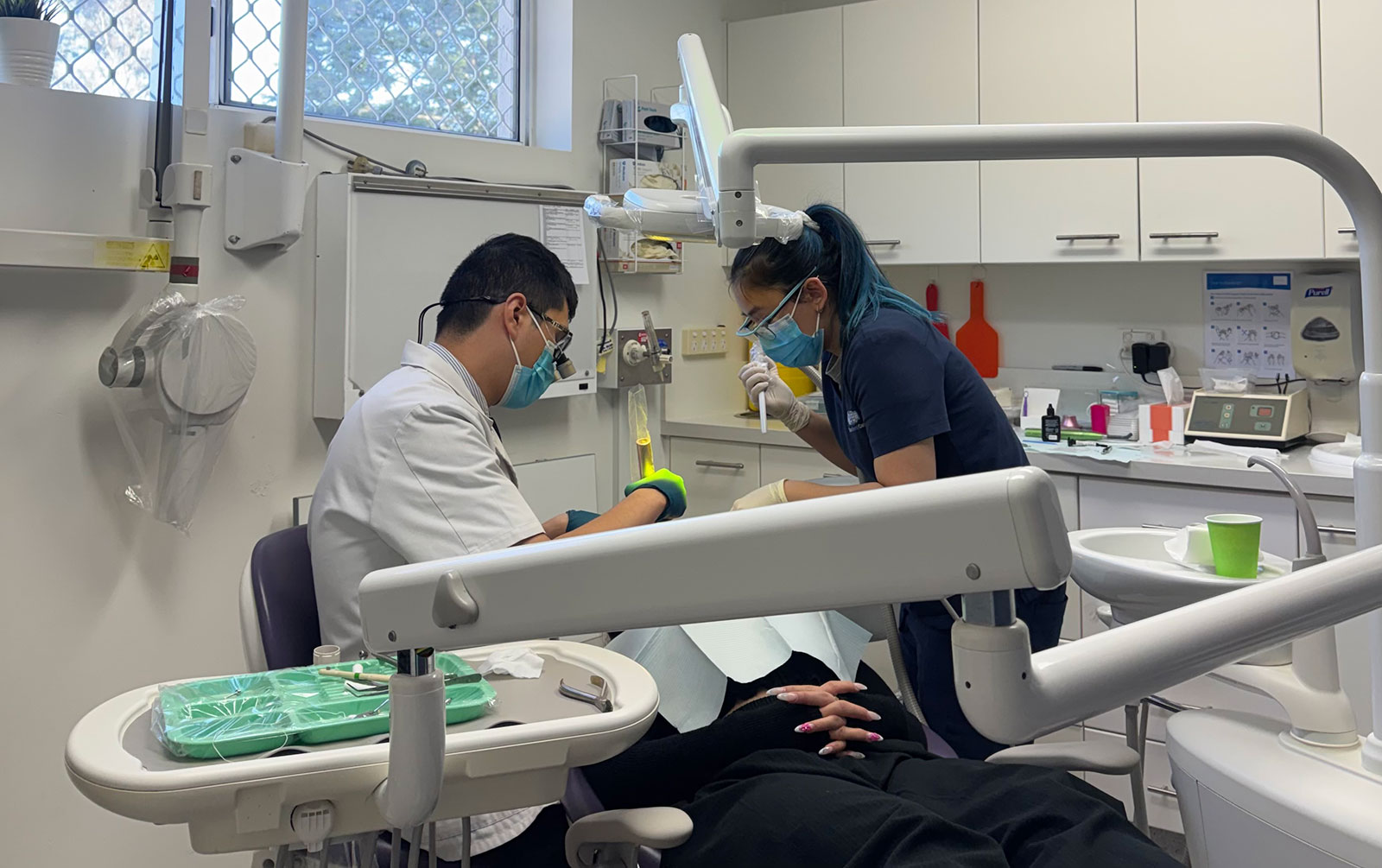
Examine
We assess the tooth, check for cracks, decay, old filling breakdown and bite stress, then confirm whether CEREC is the right restorative option.
Scan
A digital scanner records the prepared tooth and surrounding teeth, creating a precise 3D model without conventional impression material.
Create
The restoration is digitally designed and milled from ceramic selected for the tooth position, functional needs and desired shade.
Bond
The ceramic restoration is tried in, adjusted where needed, polished and securely bonded so you leave with the tooth restored.
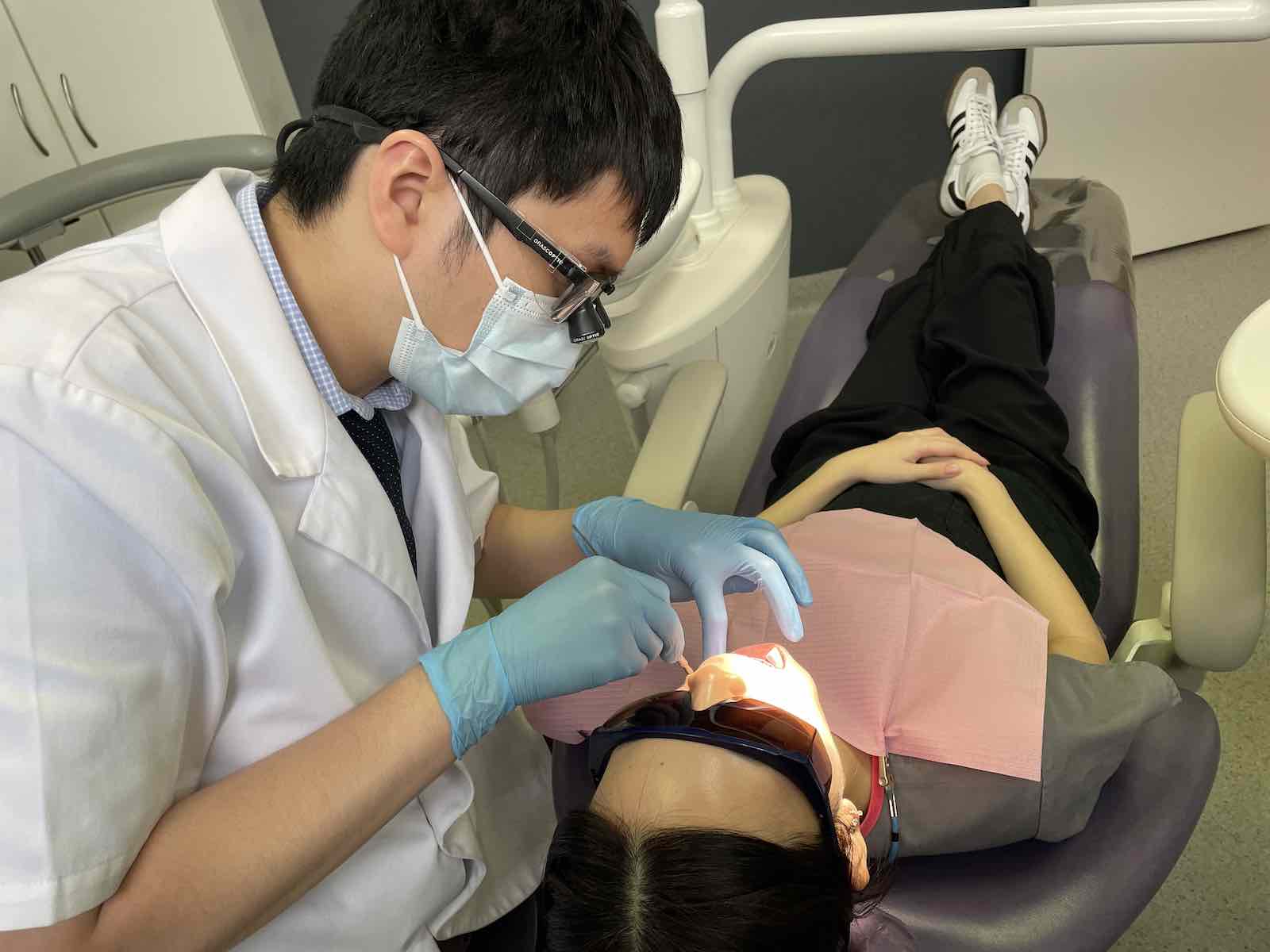
Designed for Fit, Strength and Natural Aesthetics
A crown or onlay is only successful when it fits the tooth accurately, seals the margins well, contacts neighbouring teeth correctly, and works harmoniously in the bite. CEREC supports this by giving the dentist a digital model that can be viewed, refined and adjusted before the restoration is made.
The ceramic material used for CEREC restorations is strong, tooth-coloured and highly aesthetic. Because the restoration is bonded directly to the remaining tooth structure, it can help reinforce the tooth while creating a clean, natural-looking result.
For many patients, the practical difference is immediate: fewer appointments, less time numb, less time away from work, and no anxious period living with a temporary crown that may loosen or feel awkward.
A More Convenient Way to Protect Your Tooth
CEREC focuses on speed, comfort, strength and natural appearance. Below are the practical advantages patients usually care about most.
One-Visit Treatment
Traditional crowns usually require preparation, impression-taking, a temporary crown, laboratory fabrication, and a second visit for fitting. CEREC can often compress that sequence into a single appointment.
No Messy Impressions
Digital scanning is a cleaner and more comfortable alternative to impression material. It is especially helpful for patients who dislike trays, gag easily, or prefer a more modern process.
No Temporary Crown
Temporary crowns can occasionally come loose, feel bulky, or require dietary caution. Because CEREC restorations can be bonded on the day, many patients avoid this temporary phase entirely.
Tooth-Coloured Ceramic
CEREC restorations are milled from ceramic blocks chosen to complement the natural shade of your teeth. The result is designed to blend into your smile rather than look like obvious dental work.
Conservative Planning
Inlays and onlays can often protect a damaged tooth while conserving more natural structure than a full crown. The right option depends on the cracks, remaining enamel and bite forces.
Long-Term Protection
When designed, bonded and maintained properly, ceramic restorations can provide strong protection for teeth weakened by fractures, old fillings, heavy wear or previous root canal treatment.
Which Approach Is Right for You?
CEREC is an excellent option for many patients, but it is still selected case by case. Some complex cosmetic, implant, bridge or full-mouth rehabilitation cases may still require a laboratory-made restoration.
| Feature | CEREC Restoration | Traditional Laboratory Crown |
|---|---|---|
| Appointment time | Often completed in one longer visit, from scan to bonding. | Usually requires at least two visits separated by laboratory fabrication time. |
| Impressions | Digital scan records the tooth and bite in three dimensions. | May involve conventional impressions or a digital scan sent to a lab. |
| Temporary crown | Often not needed because the final ceramic restoration is made on site. | Usually needed to protect the tooth while the final crown is being made. |
| Aesthetics | Excellent natural tooth-coloured result for many single-tooth restorations. | Can be highly customised by a ceramist for especially complex aesthetic cases. |
| Best suited to | Many crowns, inlays, onlays, large filling replacements and selected veneers. | Complex anterior cosmetics, bridges, implant work and some full-mouth cases. |
Best for Teeth That Need Strength, Seal and Structure
CEREC is commonly considered when a tooth is too damaged for a simple filling but does not necessarily need extraction or a more complex restorative pathway. It is particularly useful for teeth with large old fillings, cracks, fractured cusps, root canal treatment, or decay that has removed too much structure for a predictable filling.
However, not every tooth is a CEREC tooth. The dentist must consider the amount of remaining enamel, gum health, decay risk, the forces in your bite, whether you clench or grind, and how visible the restoration will be when you smile.
During your consultation, the Doan Dental Care team can explain whether a CEREC crown, inlay or onlay is appropriate, or whether a different restorative option would provide a better long-term outcome.
CEREC May Be Recommended For
- Broken, cracked or weakened molars and premolars
- Teeth with very large existing fillings
- Replacing failing restorations with stronger ceramic
- Protecting root canal treated teeth from fracture
- Restoring tooth shape, contacts and chewing function
- Patients who want fewer visits and faster completion
Common Questions About CEREC Restorations
These answers cover the practical questions patients often ask before choosing same-day ceramic dentistry.
How long does a CEREC appointment take?
It depends on the tooth and restoration type, but many CEREC restorations are completed in a single longer appointment. This includes preparation, scanning, design, milling, finishing and bonding.
Is CEREC as strong as a traditional crown?
CEREC restorations are made from strong dental ceramic and can be very durable when correctly designed and bonded. The best material and method still depends on the tooth, bite and case complexity.
Will the restoration match my other teeth?
The ceramic block is selected to blend with your natural tooth shade, and the final restoration is shaped and polished for a natural appearance. Highly complex cosmetic cases may require additional customisation.
Does CEREC treatment hurt?
The tooth is numbed before preparation, much like having a crown or filling. Most patients find the digital scan more comfortable than traditional impression material.
Can CEREC replace every crown?
No. CEREC is excellent for many single-tooth restorations, but some cases are better suited to laboratory-made crowns, bridges, implant restorations or staged full-mouth rehabilitation.
How do I care for a CEREC crown or onlay?
Care for it like a natural tooth: brush twice daily, clean between the teeth, attend regular check-ups, and discuss a night guard if you grind or clench your teeth.
Book a CEREC Restorations Consultation
If you have a cracked tooth, a large failing filling, a broken crown, or a tooth that needs stronger protection, CEREC may allow Doan Dental Care to restore it beautifully in a single visit. Book an assessment and find out which restorative option is right for your tooth.