

CEREC and traditional crowns at a glance
A crown covers the visible part of a weakened tooth. Dentists may recommend one after a large filling, fracture, extensive wear or root canal treatment. Both CEREC and laboratory-made crowns aim to restore the tooth's shape, strength and bite.
| Point of comparison | CEREC crown | Traditional crown |
|---|---|---|
| Appointments | Many suitable cases finish in one longer visit. | Usually requires preparation and fitting visits. |
| Impression | A digital scanner records the prepared tooth and bite. | The dentist may use a digital scan or a physical impression for the laboratory. |
| Temporary crown | Often unnecessary because the dentist fits the final crown on the same day. | Usually protects the tooth while the laboratory makes the final crown. |
| Manufacture | The dental team designs and mills the restoration in the practice. | A dental laboratory fabricates the restoration. |
| Materials | Uses ceramic blocks compatible with the chairside system. | Offers a broader laboratory material and layering range. |
| Best suited to | Many straightforward crowns, inlays and onlays, often on back teeth. | Complex cases, bridges and teeth requiring detailed aesthetic customisation. |
How a CEREC crown is made
CEREC restorative dentistry combines digital scanning, computer-aided design and in-practice milling. The clinician controls the workflow from tooth preparation to the final fit.
Prepare and scan
Your dentist removes damaged material, shapes the tooth and records a digital model of your teeth and bite.
Design the crown
Design software proposes a restoration. Your dentist adjusts the contacts, contours and biting surface for your mouth.
Mill and finish
An in-practice unit mills the crown from a ceramic block. The dental team finishes and characterises the restoration as required.
Check and bond
Your dentist checks the margins, contact points, appearance and bite before bonding or cementing the crown.
Dentsply Sirona describes the chairside sequence as scanning, designing, milling, firing and finishing an indirect restoration in the practice. That workflow can allow a clinician to complete a suitable crown in one visit.
How a traditional crown is made
Your dentist prepares the tooth and sends a scan or impression to a dental laboratory. A technician then makes the crown using the prescribed material, shape and shade information. You wear a temporary crown until the final restoration returns for fitting.
The laboratory route gives the clinician access to more fabrication techniques and material combinations. A technician can also layer ceramics and adjust fine surface details away from the time constraints of a chairside appointment. The trade-off is the waiting period and the need to protect a temporary crown.
Which option looks more natural?
Both methods can produce a tooth-coloured restoration. The result depends on the material, tooth position, surrounding teeth, lighting, preparation design and the skill of the clinician or technician.
CEREC can work well where the dentist can match the tooth with an appropriate ceramic block and characterisation. A highly visible front tooth with complex translucency, staining or colour variation may benefit from laboratory layering. Your dentist may also prefer a laboratory route when several front teeth need to match each other.
Strength, wear and lifespan
No crown material suits every tooth. Your dentist chooses a restoration after considering the amount of tooth left, the forces on that tooth and the way your teeth meet. Clenching, grinding, poor cleaning, recurrent decay and trauma can shorten the life of either type.
Research comparing CAD/CAM and conventionally manufactured crowns does not support a blanket claim that one fabrication method lasts longer in every clinical situation. A systematic review found that clinical evidence varies by ceramic material, restoration type and study design. Material choice and case selection matter as much as the manufacturing route.
You can protect either crown by brushing with fluoride toothpaste, cleaning between the teeth, attending review appointments and wearing a prescribed splint if you grind your teeth.
Which crown may suit your tooth?
CEREC may suit you when
- The tooth needs a straightforward crown, inlay or onlay.
- You want to avoid a temporary crown and second fitting visit.
- A suitable chairside ceramic can handle the tooth's biting load.
- The dentist can achieve the required shade and form in the practice.
A laboratory crown may suit you when
- The case requires a material or technique outside the chairside system.
- A front tooth needs complex shade layering and surface characterisation.
- The restoration forms part of a bridge or broader prosthodontic plan.
- Your dentist wants technician input for a demanding shape or bite.
A root canal treated tooth may need a crown or onlay because the remaining structure can fracture under load. The right design depends on how much healthy tooth remains. A dentist needs to examine the tooth and an X-ray may form part of that assessment.
Cost and private health cover
Crown fees vary with the material, tooth, preparation required and clinical complexity. A same-day crown does not carry one standard Australian price, and a lower appointment count does not guarantee a lower total fee.
Ask for a written treatment plan that names the proposed restoration and lists the relevant item numbers. Private health rebates depend on your policy, waiting periods and annual limits. Your fund can estimate a rebate after you provide those item numbers.
Questions to ask your dentist
- Why do you recommend this crown type for this tooth?
- Which material would you use, and why?
- Would a filling, inlay or onlay preserve more healthy tooth?
- Does my bite or grinding habit change the recommendation?
- Will I need a temporary crown?
- How should I care for the restoration?
- What alternatives should I consider before treatment?
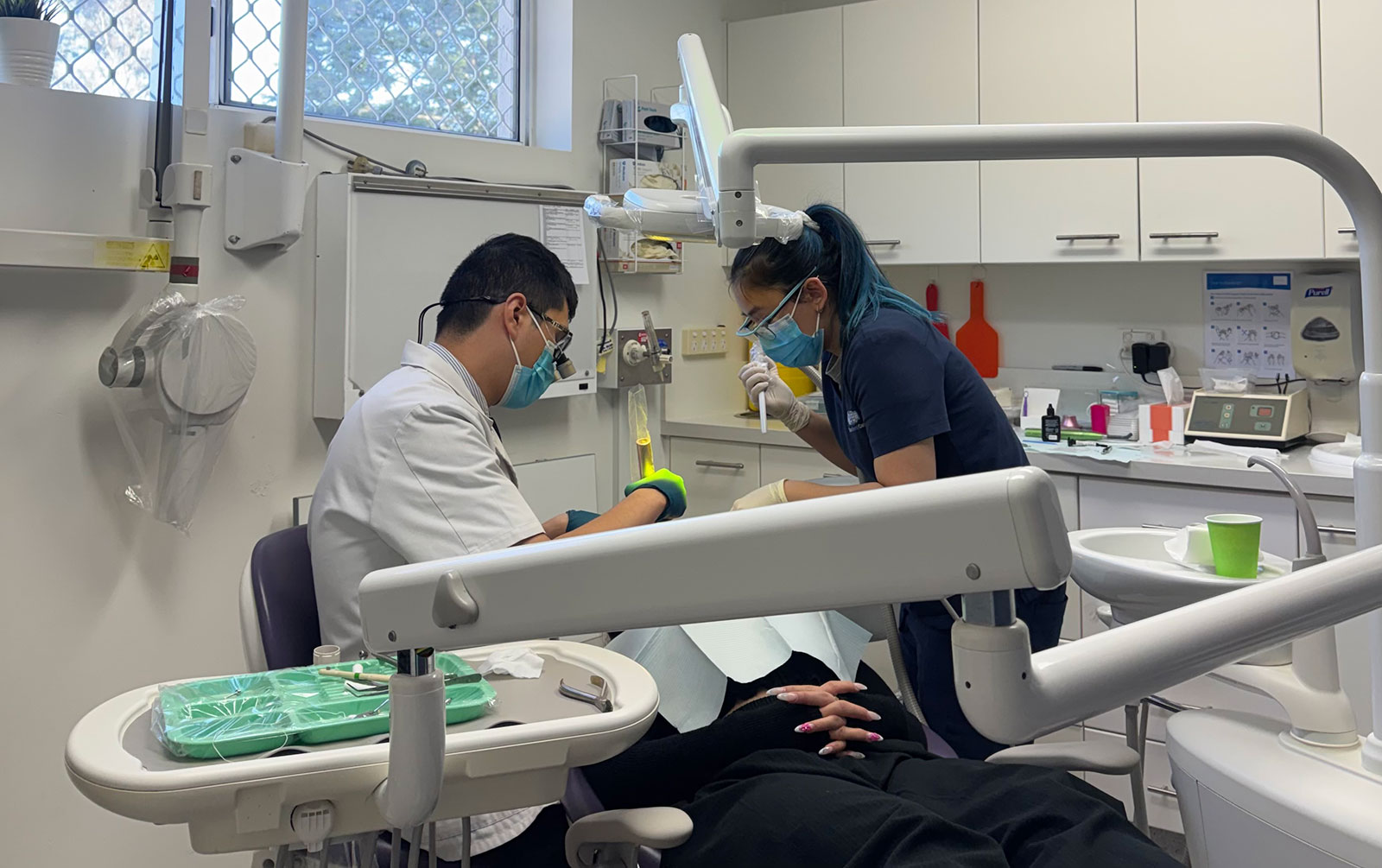
You can also read about the broader role of prosthodontics in rebuilding worn, damaged or missing teeth. Patients who want to meet the clinician shown in this article can view Dr Quang Tam (Tom) Le's profile.
CEREC crown questions
Can a CEREC crown be completed in one appointment?
Many suitable restorations can be prepared, scanned, milled and fitted during one longer appointment. Complex cases may need another approach or extra visits.
Does CEREC avoid a temporary crown?
Yes, in many same-day cases. Your dentist may use a temporary restoration if the clinical situation prevents final placement that day.
Can CEREC be used on front teeth?
It can suit selected front teeth. The shade, translucency and shape required will influence whether chairside ceramic or a laboratory-made crown offers the better aesthetic plan.
Is a CEREC crown stronger than a traditional crown?
The manufacturing route alone does not determine strength. The ceramic, thickness, preparation, bonding, tooth position and bite all affect performance.
Does getting a crown hurt?
Your dentist uses local anaesthetic during tooth preparation. Some people notice short-term sensitivity or gum tenderness afterwards. Contact your dental team if discomfort worsens or does not settle as expected.
Get a recommendation for your tooth
A crown assessment at Doan Dental Care can clarify whether CEREC, a laboratory crown or a more conservative restoration suits your tooth. The team provides care at Jamboree Heights and Darra.
Book an assessmentClinical sources: Dentsply Sirona chairside crown workflow; systematic review of CAD/CAM and conventional crowns.
This article provides general information and does not replace an examination, diagnosis or personalised treatment advice. Crown suitability, risks and expected outcomes vary between patients.