
Dental Sedation & IV Sedation
Comfortable dental care for anxious patients, strong gag reflexes, wisdom teeth removal, dental implants and complex oral surgery. Our tailored sedation options help you feel calm, supported and in control from consultation to recovery.
Dental Treatment No Longer Needs to Feel Overwhelming
If you have delayed dental care because of fear, a strong gag reflex, needle anxiety, past difficult experiences or the thought of oral surgery, sedation dentistry can completely change the way treatment feels.
The sedation content from Doan Dental Care focuses on a clear promise: anxious patients and patients needing complex treatment should be able to access care without feeling trapped, judged or rushed. Sedation does not remove the need for careful diagnosis and planning. It gives you a calmer pathway through the treatment you already need.
Depending on your health, anxiety level and procedure, options may include local anaesthetic, nitrous oxide, oral sedation, IV sedation or referral pathways for general anaesthetic where appropriate. The right option is selected after a proper medical review and discussion of your treatment goals.
Our role is to listen first, explain the options clearly, and recommend a safe level of support for your procedure. You should understand what you will feel, what you may remember, what preparation is required and what recovery support you need before treatment begins.
Sedation Can Help If You...
Sedation is not only for people with severe dental fear. It can also make longer, more complex or more sensitive appointments easier to complete.
- Feel very nervous before dental appointments
- Have avoided treatment for months or years
- Need wisdom teeth removed or complex extractions
- Are planning dental implants or oral surgery
- Have a strong gag reflex or needle anxiety
- Need multiple procedures completed efficiently
From Gentle Relaxation to IV Sedation
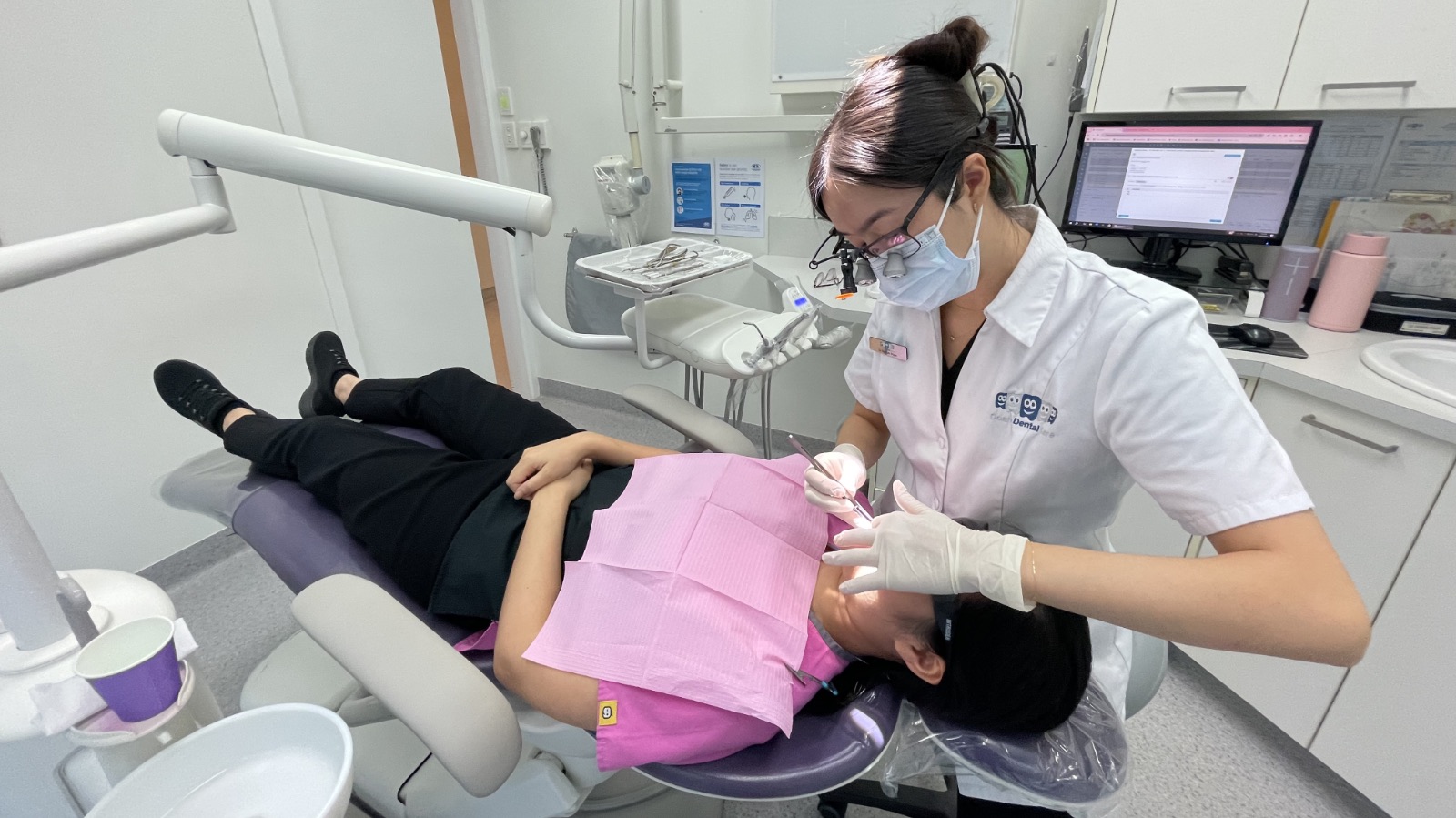
There is no one-size-fits-all sedation choice. Your safest option depends on medical history, current medications, anxiety level, procedure length and the complexity of the dental care being planned.
Local Anaesthetic
Local anaesthetic numbs the specific treatment area. For many patients, a gentle injection technique and clear communication are enough to make simple dental care comfortable.
Nitrous Oxide
Often called happy gas, nitrous oxide is a light calming option breathed through a small nosepiece. It wears off quickly and can help take the edge off mild to moderate anxiety.
Oral Sedation
Oral sedation involves medication taken before the appointment for a deeper calming effect. You may feel drowsy and relaxed, and you will need a responsible adult to take you home.
IV Sedation
IV sedation is administered intravenously and creates a deep state of relaxation. You remain functionally conscious and breathing independently, but many patients remember little or nothing of the procedure.
General Anaesthetic Referral
For selected highly complex cases, general anaesthetic may be arranged externally in a hospital setting. This is different from conscious sedation and requires separate medical planning.
Medical Suitability Review
Every sedation plan begins with health screening, medication review and discussion of the procedure. This helps us recommend an option that is appropriate and safe for you.
Support for Wisdom Teeth, Implants and Longer Procedures
Wisdom teeth removal, multiple extractions, implant placement and full-mouth restorative work can feel daunting even for patients who are usually comfortable at the dentist. Sedation allows you to rest more comfortably while the clinical team completes treatment efficiently and carefully.
For anxious patients, the value is often emotional as much as physical. The sounds, sensations and time in the chair can feel far less intense when the appropriate sedation option is used. For surgical patients, sedation can make longer treatment easier to tolerate and may help reduce the memory of the appointment.
We also plan the practical side: fasting instructions when needed, transport arrangements, recovery monitoring, aftercare guidance and what to expect once you are home. Patients receiving oral or IV sedation must have a responsible adult take them home and follow the aftercare instructions provided.
Common Reasons Patients Ask About Sedation
- Wisdom teeth removal
- Complex tooth extractions
- Dental implants or bone grafting
- Multiple treatments in one sitting
- Strong gag reflex or sensitive mouth
- Previous difficult dental experiences

& Oral Surgery
Experience
Dr Nghiem Doan
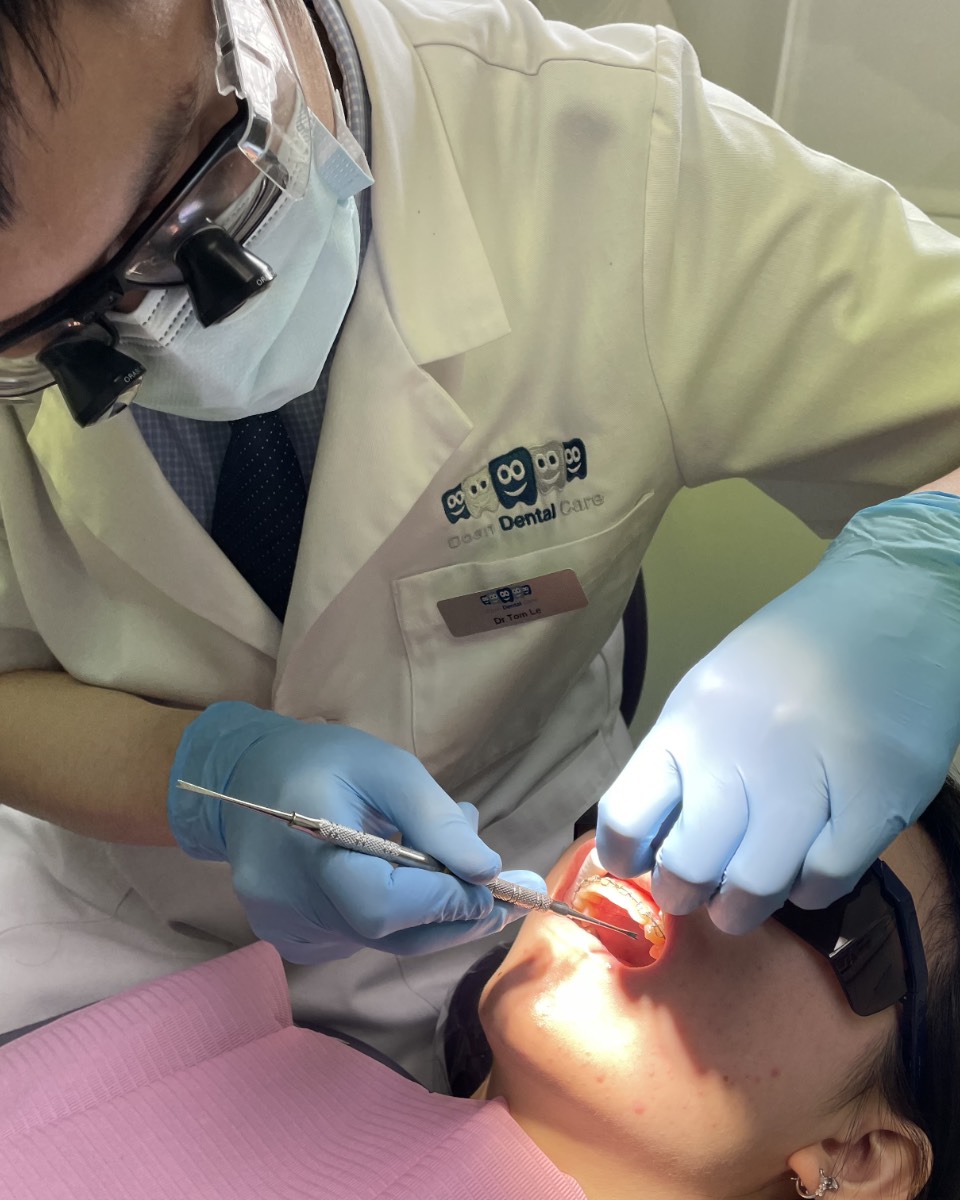
Dr Nghiem Doan leads a compassionate clinical team experienced in managing anxious patients and complex dental procedures. His background in oral surgery, implant dentistry and IV sedation allows patients to receive carefully planned treatment in a calm, supportive environment.
Sedation dentistry requires more than medication. It requires judgement, monitoring, communication and the ability to match the level of sedation to the person and the procedure. Patients need to feel heard before treatment begins and safely supported until they are ready to leave with their chaperone.
From the first consultation through to aftercare, the goal is to help you move forward with necessary dental treatment without fear becoming the barrier.
Will I Be Fully Asleep?
Sleep dentistry is a general term often used to describe sedation options that help nervous patients feel relaxed during dental treatment. It does not always mean you are unconscious.
With conscious sedation, including oral sedation and IV sedation, you may feel deeply relaxed and may drift into a sleep-like state, but you can still respond to instructions and breathe on your own. Many patients remember very little of the appointment afterwards, which is why IV sedation can feel like the treatment passed very quickly.
General anaesthetic is different. It renders you fully unconscious and is usually performed in a hospital or appropriately equipped setting with separate airway and anaesthetic management. If general anaesthetic is clinically appropriate, this is discussed as a separate pathway.
From First Conversation to Recovery
Sedation care should feel organised and predictable. The process below is designed to help you understand what happens before, during and after your appointment.
Consultation
We listen to your concerns, discuss previous experiences, assess the dental work required and explain whether sedation may be helpful.
Medical Review
Your medical history, medications and procedure details are reviewed to determine which sedation options may be safe and appropriate.
Procedure Day
You are settled by the clinical team, your selected sedation is administered, and your treatment is completed while you remain supported.
Recovery
We monitor you until you are ready to leave with your responsible adult and provide clear aftercare instructions for home recovery.
Compassionate Care for Nervous and Complex Patients
Sedation is most effective when it is combined with calm communication, clinical experience and a team that understands why patients feel anxious in the first place.
Experienced Oral Surgery Team
Patients needing wisdom teeth removal, complex extractions or dental implants benefit from a team familiar with both surgical care and anxiety management.
Tailored Sedation Planning
Your sedation plan is based on your medical history, anxiety level, procedure length and personal preference where clinically appropriate.
Patient-Centred Communication
We explain each step in plain English, give you space to ask questions, and avoid judgement if you have delayed treatment because of fear.
Modern Calm Environment
The clinic experience is designed to feel organised, supportive and calm from arrival through to discharge after treatment.
Support for Complex Care
Sedation can help patients complete larger treatment plans that would otherwise feel too overwhelming to begin.
Transparent Consultation First
Costs, sedation choices, treatment options and recovery requirements are discussed before treatment so you can make an informed decision.
Personalised Recommendations Before Treatment
There is no single fixed cost for sedation because the right option depends on the type of sedation, the length of the procedure, the complexity of the treatment and the level of monitoring required.
During your consultation, we assess your dental needs and medical suitability, then explain the sedation options available to you. If IV sedation is appropriate, we outline what preparation is required, what the appointment involves, and what you need to organise for recovery.
For extensive treatment plans, we can also discuss staged treatment, flexible payment options and what needs to happen first so you can move forward without feeling pressured.
Your Consultation May Include
- Anxiety and comfort assessment
- Medical history and medication review
- Clinical examination and treatment planning
- Discussion of sedation options and suitability
- Clear explanation of costs before treatment
- Preparation, fasting and transport instructions if needed
Calm, Gentle Care Matters
Patients often mention gentle care, trust and feeling supported. These short excerpts keep that reassurance visible without overwhelming the page.
"Never had a bad experience. He has an extremely careful manner and all his staff are the same."
"They were so caring and patient, taking the time to ease all of my daughter's fears before her complex dental surgery."
"Dr Doan goes out of his way to ensure that patients are well cared for."
Dental Sedation FAQs
These answers cover the practical questions patients ask about sleep dentistry, IV sedation, safety, recovery and suitability.
What is sleep dentistry?
Sleep dentistry is a general term for dental sedation that helps anxious or nervous patients relax. Depending on the sedation level, you may be awake but calm, or in a deeper relaxed state where you remember very little.
What is the difference between sedation and general anaesthetic?
With conscious sedation, you remain able to respond and breathe independently. General anaesthetic makes you fully unconscious and is usually performed in a hospital or equivalent setting.
Will I be fully asleep with IV sedation?
IV sedation creates deep relaxation and you may naturally drift off, but it is not the same as general anaesthetic. Most patients remember very little or nothing of treatment.
Which sedation option is right for me?
The best option depends on anxiety level, medical history, medications and procedure complexity. We assess these factors before recommending nitrous oxide, oral sedation, IV sedation or another pathway.
Can sedation help with wisdom teeth removal?
Yes. Wisdom teeth removal is one of the common reasons patients ask about sedation because it can reduce anxiety, awareness of sensations and stress during oral surgery.
Will I need someone to take me home?
For oral sedation or IV sedation, yes. You need a responsible adult to take you home and ideally stay with you for several hours. Nitrous oxide wears off quickly and may not require this in many cases.
Can I eat before my appointment?
This depends on the sedation type. IV sedation and oral sedation commonly require fasting for several hours beforehand. We provide clear instructions before your procedure.
How do I know if I am suitable?
Suitability is determined through consultation, medical review and assessment of the planned treatment. Some medical conditions or medications may affect which options are appropriate.
Book Your Sedation Consultation
If dental anxiety, a strong gag reflex, wisdom teeth, implants or complex treatment has been holding you back, book a gentle, zero-pressure consultation. We will discuss your needs, review your suitability and explain sedation options in clear, practical terms.